Da Nang is one of the easiest places in Vietnam to explore independently: the airport is minutes from the centre, the beach is inside the city, and Ba Na Hills, Son Tra and Hoi An are all within a short drive. This guide was put together by the Annest Travel team, who live and run tours in Da Nang.
Contents
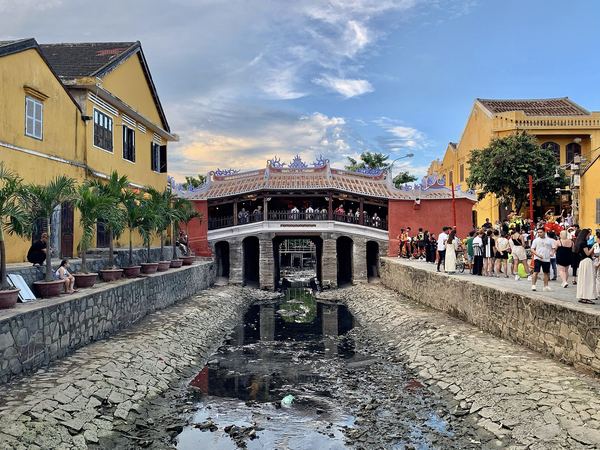
Da Nang sits in the middle of Vietnam's coastline: the Hai Van Pass to the north, the Son Tra Peninsula to the east, the Ba Na mountains to the west and the Marble Mountains and Hoi An to the south. Since July 2025 the former Quang Nam province has been merged into Da Nang city, so Hoi An Ancient Town, the Cham Islands and My Son Sanctuary are now all part of "greater Da Nang". The key Da Nang travel tip is to group sights by direction and cover one direction per day.
How to get to Da Nang
By plane – fastest and easiest
Da Nang International Airport (DAD) is right in the city, about 3 km from the Dragon Bridge – 10–15 minutes by taxi. There are many daily flights from Hanoi and Ho Chi Minh City (about 1h20), plus direct international routes from South Korea, Japan, China, Taiwan, Thailand, Singapore and India. Tip: book 1–2 months ahead and avoid Tet, the 30 April holiday, summer and the fireworks season, when fares can double.
By train – the Hai Van Pass from your window
Da Nang station is on the North–South railway. From Hue the ride takes about 2.5–3 hours and hugs the cliffs of the Hai Van Pass, with mountains on one side and sea on the other – often called one of the most beautiful rail journeys in Vietnam.
By sleeper bus
Sleeper buses run from Hanoi, Ho Chi Minh City, Quy Nhon, Hue and Da Lat. Cheap but slow – good if you are combining several central Vietnam stops.
Getting around Da Nang
- Taxis and ride-hailing apps (Grab, Xanh SM…): available everywhere, transparent fares, ideal for families.
- Self-drive motorbike: flexible and cheap for couples and young groups; roads are wide with little traffic. Bring a valid licence, wear a helmet and take care on the steep Son Tra and Hai Van roads.
- Private car with driver: the best option for groups of 4–16 or for day trips to Ba Na, Hoi An and Hue. See vehicles and prices on our Car rental page.
- Join-in day tours: hotel pick-up, guide and entrance tickets included – the stress-free way to do Ba Na, the Cham Islands, Hoi An and Hue.
Tip: the summer sun is fierce from 10am to 3pm. Swim early (5:30–8am) or late afternoon, and spend midday at your hotel, in a museum or up on cool Ba Na Hills.
Where to stay in Da Nang
| Area | Best for | Nearby highlights |
|---|---|---|
| My Khe – An Thuong beachfront | Beach lovers, friends, families; many mid-range hotels | My Khe Beach, An Thuong food streets, seafood restaurants |
| Han River centre | First-timers, walkers, foodies, night markets | Dragon Bridge, Love Bridge, Han Market, Con Market, Pink Cathedral, Cham Museum |
| Son Tra Peninsula | Luxury stays, honeymoons, peace and quiet | Linh Ung Pagoda, Ban Co Peak, private resort beaches |
| Non Nuoc – Marble Mountains | Families wanting big beach resorts close to Hoi An | Marble Mountains, Non Nuoc stone village, 20 min to Hoi An |
| Hoi An | Old-town lovers, slow travel, food | Ancient Town, Bay Mau coconut forest, An Bang Beach, Cham Islands |
For 4 days or more, the best approach is to split your stay: 2–3 nights in Da Nang and 1–2 nights in Hoi An to enjoy the old town at night. Browse hotels and resorts by area.
Suggested Da Nang itinerary

Day 1 – City centre and My Khe Beach
Check in, swim at My Khe in the afternoon, then stroll the Dragon Bridge, Love Bridge and the Carp-Dragon statue and snack at Son Tra Night Market. On Saturday and Sunday evenings don't miss the Dragon Bridge breathing fire and water at 9pm.
Day 2 – Ba Na Hills all day
Ride the cable car early to photograph the Golden Bridge before the crowds, then explore the French Village, Le Jardin flower garden, Debay wine cellar and Fantasy Park. The easiest option is our Ba Na Hills join-in day tour (transport, cable car and lunch buffet included), or go on your own with a pre-booked Ba Na cable car ticket.
Day 3 – Son Tra, Marble Mountains and Hoi An
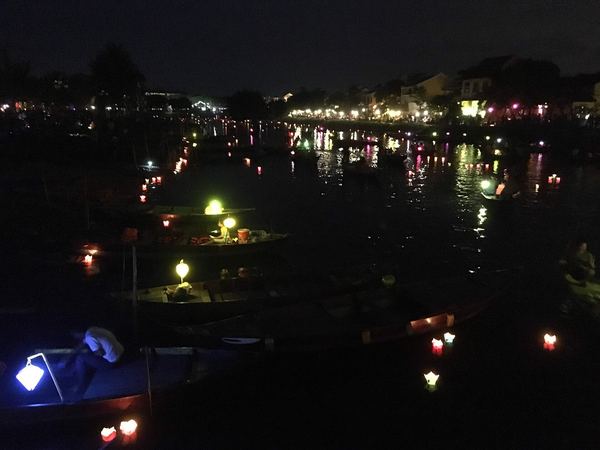
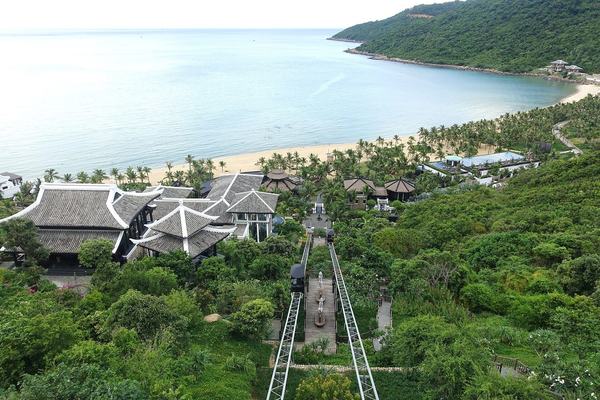
Morning at Linh Ung Pagoda on Son Tra, midday climbing the Marble Mountains, evening in Hoi An releasing a flower lantern on the Hoai River. The Son Tra – Marble Mountains – Hoi An tour covers all three in one day.
Day 4 – The Cham Islands
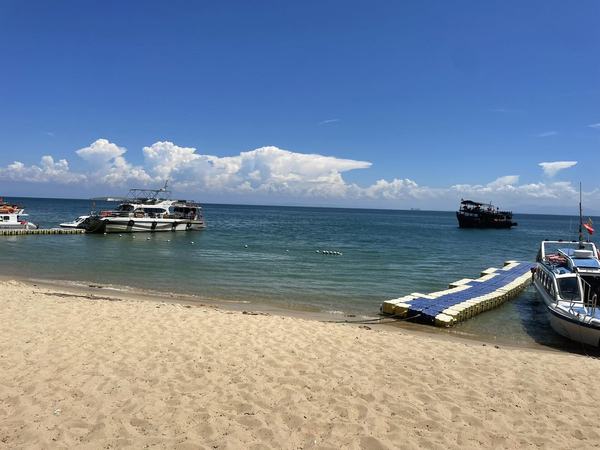
Take a speedboat to the Cham Islands to snorkel over coral, swim at Bai Chong and eat seafood on the island. Best season is roughly March to August. See the Cham Islands day tour.
Extra time? Spend a day in the imperial city of Hue via the Hai Van tunnel, or ride a basket boat on the Marble Mountains – Bay Mau coconut forest – Hoi An tour.
How much does a Da Nang trip cost?
Costs depend on the season and your style. The table below is a guide for one person, 4 days / 3 nights (VND):
| Item | Budget | Comfort |
|---|---|---|
| Return domestic flight (Hanoi / HCMC) | 1.5 – 2.5 million | 3 – 5 million |
| Accommodation (3 nights, sharing a room) | 0.6 – 1.2 million | 3 – 9 million |
| Food and drink | 0.7 – 1 million | 2 – 3 million |
| Local transport | 0.3 – 0.5 million (motorbike) | 1 – 2 million (taxi, private car) |
| Tickets and tours (Ba Na, Hoi An, Cham Islands) | 1.8 – 2.5 million | 3 – 5 million |
| Total | about 5 – 7.5 million | about 12 – 24 million |
Prices are indicative and vary with peak season, holidays and suppliers.
Saving tips: travel in March–April or early September (still good weather, cheaper rooms than summer), eat at local eateries rather than beachfront restaurants, and book Ba Na tickets and tours in advance through a trusted operator.
When is the best time to visit Da Nang?
The dry season (roughly February to August) is ideal: blue skies, calm sea, perfect for swimming and the Cham Islands. The Da Nang International Fireworks Festival (DIFF) usually takes place in June–July. The rainy season (roughly September to December) can bring storms and local flooding, rough seas and Cham Island closures – but also low prices and fewer crowds; Ba Na, Hoi An and museums still work well. Details in our article best time to visit Da Nang.
Useful tips
- Bring a light jacket for Ba Na Hills: it is only about 15–20°C at the top, often misty.
- Only swim where lifeguards are on duty; stay out when red flags are flying or waves are big.
- Cover shoulders and knees when visiting Linh Ung Pagoda and the Marble Mountains.
- Ask the price before ordering seafood at places without price lists.
- Check the forecast before booking sea trips, especially from September to December.
Short on planning time? Just message the Annest Travel team – we'll suggest an itinerary for your number of days, budget and interests.
Frequently asked questions
How many days do I need in Da Nang?
For a first visit, 3 days / 2 nights to 4 days / 3 nights is ideal: enough for Ba Na Hills, Son Tra – Marble Mountains – Hoi An, My Khe Beach and the Cham Islands in the dry season. Add a fifth day for Hue.
How much does 4 days in Da Nang cost?
As a guide, one person spends about 5–7.5 million VND on a budget (flights, shared room, motorbike) and about 12–24 million VND staying in resorts, using taxis and joining several tours. Prices vary by season and holidays.
Should I stay in Da Nang or Hoi An?
First-timers should base themselves in Da Nang (My Khe beachfront or the Han River) because it is central to everything. With 4 days or more, add 1–2 nights in Hoi An to enjoy the old town after the day crowds leave.
How far is Da Nang airport from the city centre?
The airport is inside the city: about 10–15 minutes by taxi to the Dragon Bridge area and 15–20 minutes to My Khe Beach.
Do I need to rent a motorbike in Da Nang?
Not necessarily. Taxis and ride-hailing are cheap in the city. Motorbikes suit couples and young groups who want to explore Son Tra and Hai Van; families and larger groups are better off with a private car and driver or join-in tours.
Tours we recommend
 DN-01
Ba Na Hills Day Tour (join-in)
$50.88 (1.323.000đ) View tour
DN-01
Ba Na Hills Day Tour (join-in)
$50.88 (1.323.000đ) View tour
 DN-04
Son Tra – Marble Mountains – Hoi An Day Tour (join-in)
$23.88 (621.000đ) View tour
DN-04
Son Tra – Marble Mountains – Hoi An Day Tour (join-in)
$23.88 (621.000đ) View tour
 DN-02
Cham Islands Day Tour (join-in)
$25.23 (656.000đ) View tour
DN-02
Cham Islands Day Tour (join-in)
$25.23 (656.000đ) View tour
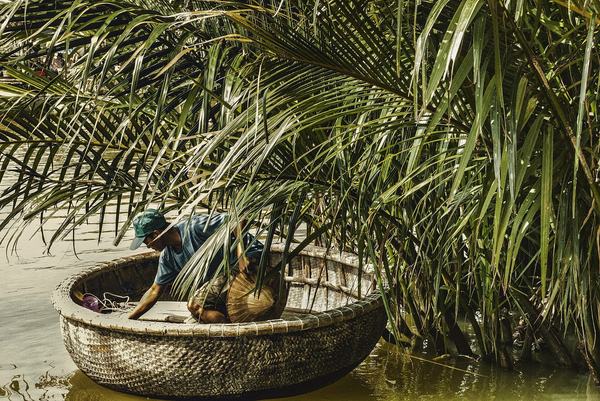 DN-06
Marble Mountains – Coconut Forest – Hoi An Day Tour (join-in)
$28.77 (748.000đ) View tour
DN-06
Marble Mountains – Coconut Forest – Hoi An Day Tour (join-in)
$28.77 (748.000đ) View tour
 TK-BANA-CAP
Ba Na Hills Cable Car Ticket
$28.77 (748.000đ) View tour
TK-BANA-CAP
Ba Na Hills Cable Car Ticket
$28.77 (748.000đ) View tour