Da Nang has two clear seasons: a sunny dry season from roughly February to August and a rainy season from roughly September to December. Pick the right time and you'll get blue sea, clear skies and fair prices.
Contents
Da Nang has a tropical monsoon climate typical of central Vietnam: lots of sunshine, an average temperature around 26°C and rain concentrated at the end of the year. The answer to the best time to visit Da Nang depends on whether you want beaches, islands, fireworks or low prices.
Da Nang weather by season
| Period | Weather | What to do |
|---|---|---|
| January – February | Cool 18–24°C, light drizzle, sea still a bit rough | Tet celebrations, Hoi An, Ba Na, Hue; little swimming |
| March – May | Warm 24–30°C, sea becoming calm and clear | The "golden" window: beaches, Cham Islands, Son Tra, prices not yet high |
| June – August | Hot 30–36°C, strong sun, best sea of the year | Summer holidays, fireworks festival, snorkelling; busy and pricier |
| September – December | Rainy season, possible storms and local floods (peak Oct–Nov) | Low prices, few crowds; focus on Ba Na, Hoi An, museums; avoid island trips |
March to May – the best time
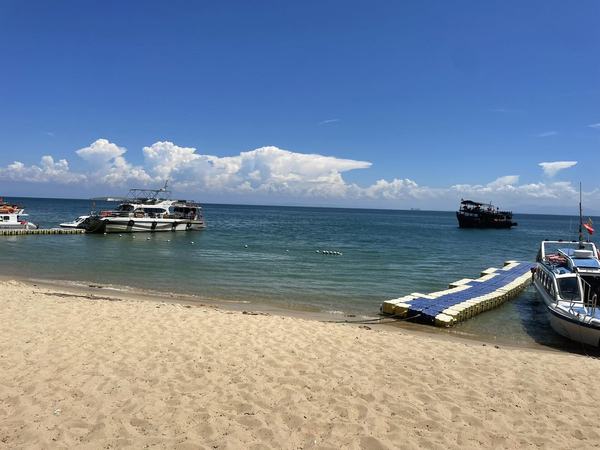
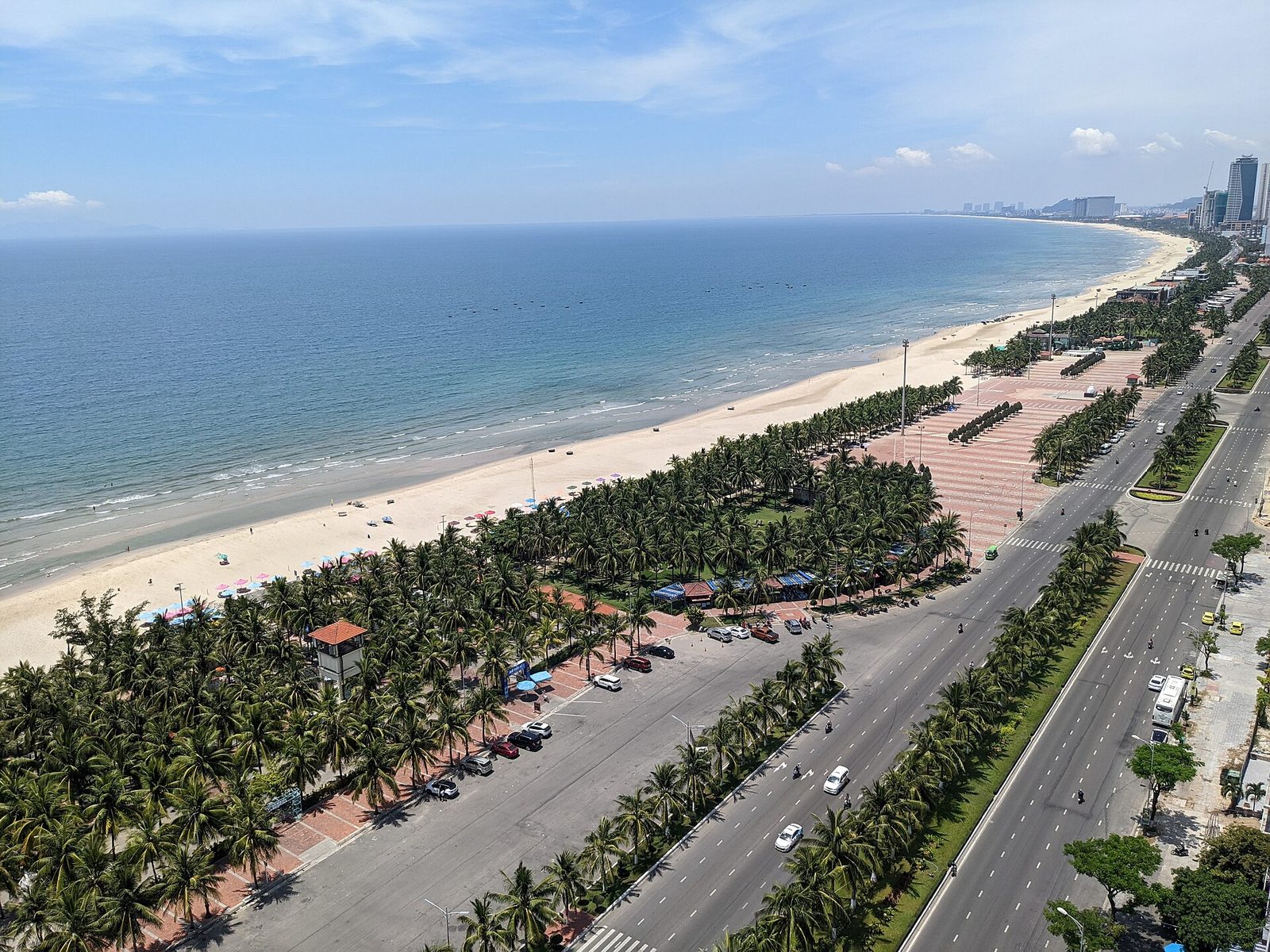
This is the period the Annest Travel team recommends most: clear skies, sun not yet too harsh, a calm turquoise sea at My Khe, the Cham Islands open to visitors and hotel prices still soft before summer. Ba Na Hills is cool with less fog, perfect for Golden Bridge photos.
June to August – summer and fireworks season
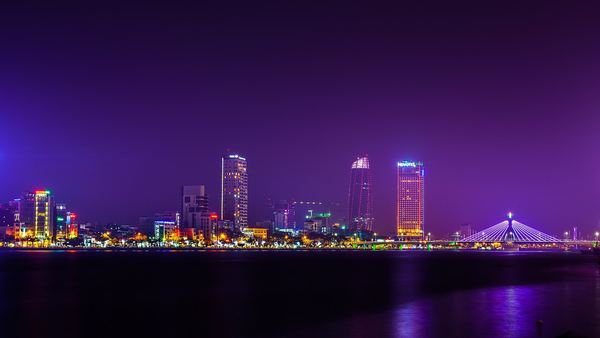
The sea is at its best, warm and clear – ideal for snorkelling at the Cham Islands and Son Tra. The Da Nang International Fireworks Festival (DIFF) is usually held on Saturday nights in June–July along the Han River. The downside: midday heat, crowds and much higher hotel and flight prices – book at least 1–2 months ahead.
Summer tip: swim from 5:30 to 8am or after 4pm; at midday head up Ba Na Hills (around 20°C at the top) or choose the Ba Na afternoon–evening combo to avoid the sun.
September to December – is the rainy season worth it?
Yes, if you are flexible. Early September is often still fine. October–November is the peak of rain and storms: the sea is rough and Cham Islands tours are usually suspended. On the plus side, hotel prices can drop sharply, Hoi An in the rain is poetic and Ba Na keeps operating (unless suspended for severe weather).
- Check the forecast 3–5 days before you travel and buy travel insurance.
- Choose a hotel in the centre and avoid low-lying areas that flood.
- Book tours with flexible date-change policies.
January – February: Tet in Da Nang
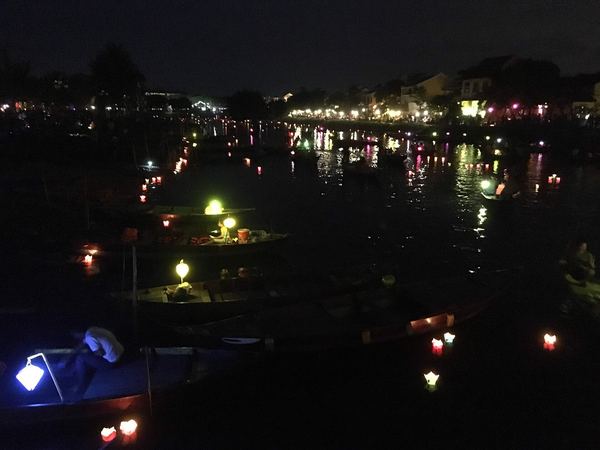
Pleasantly cool, with streets decorated with flowers and lights along the Han River and Hoi An glowing with lanterns. A great time for a cultural trip: Hoi An, My Son and the imperial city of Hue. The sea is still cold and choppy for island trips.
Best time by travel goal
- Beaches and islands: April – August (the Cham Islands tour runs most reliably).
- Fireworks: June – July; check the DIFF schedule announced each year.
- Budget and quiet: March, early September or December (accepting some rain).
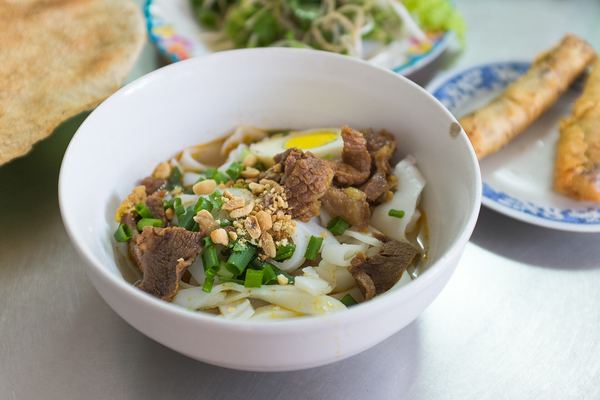
- Culture and food: all year, especially spring and full-moon nights in Hoi An.
Frequently asked questions
Which month is best to visit Da Nang?
The best period is roughly March to May: warm sunshine, calm sea, the Cham Islands open and prices before peak season. June–August has the best sea but is hot and busy.
When is the rainy and storm season in Da Nang?
The rainy season usually runs from about September to December, with the peak of rain and storms in October–November. Check forecasts and limit sea trips during this time.
When is the Da Nang fireworks festival?
The Da Nang International Fireworks Festival (DIFF) is usually held on Saturday nights between June and July on the Han River. Dates are announced each year, so book hotels and seats early.
Can I swim in Da Nang in December?
December is cool and the sea is usually rough and cold, so it is not ideal for swimming. You can still enjoy Ba Na, Hoi An, Hue and low hotel prices.